Why Bathroom Ventilation Matters More Than You Think

Robin - October 18, 2025
Share

Most homeowners don’t realize just how critical proper bathroom ventilation is until problems arise. Inadequate airflow can lead to persistent humidity, mold growth, unpleasant odors, and even structural damage. Yet, these issues are often overlooked in daily routines. This article will reveal why effective bathroom ventilation is essential for air quality, health, and the longevity of your home. You’ll discover the dangers of poor ventilation, learn practical steps to improve it, and understand how it helps prevent costly repairs.

Why Bathroom Ventilation Is Essential

Step 1: Understand Why Bathroom Ventilation Is Essential
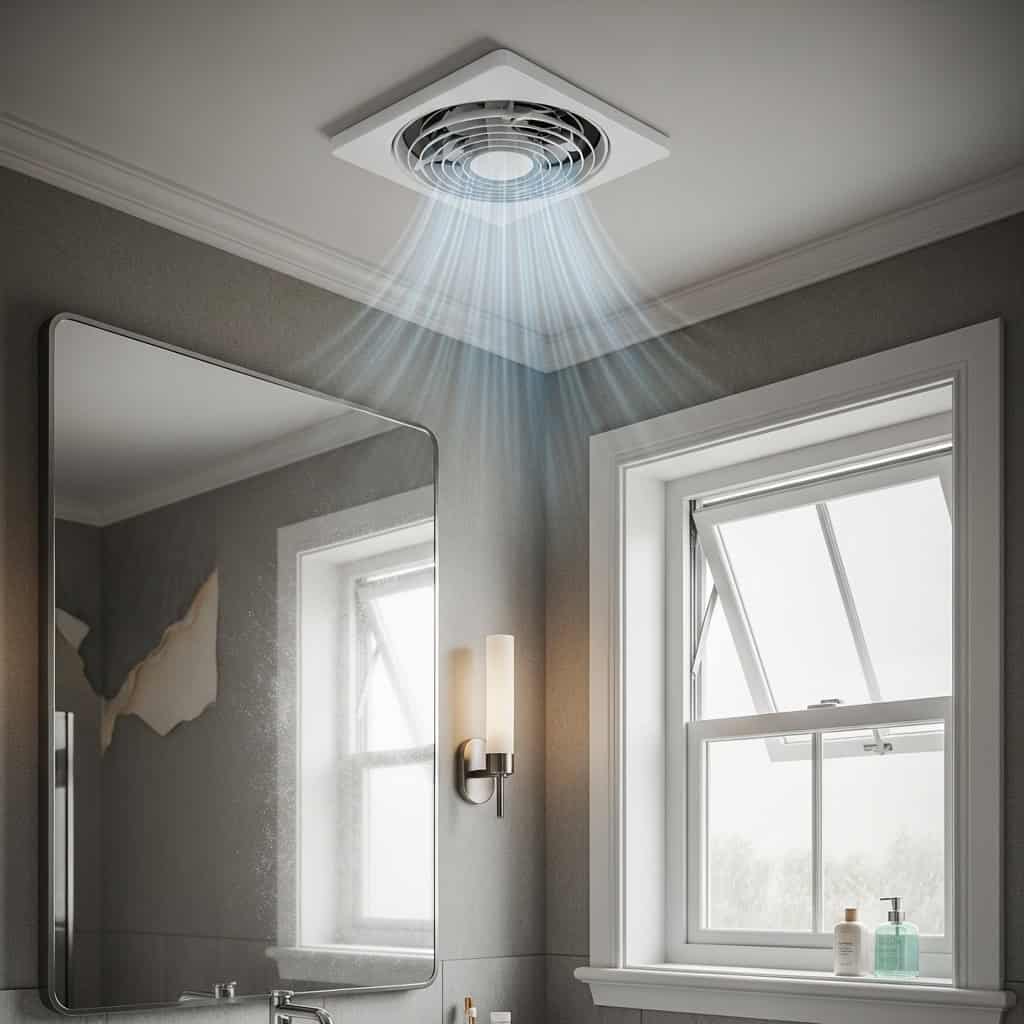
Dark patches of mold climb a damp bathroom wall beneath an old exhaust fan, highlighting poor ventilation. | Generated by Google Gemini

Effective bathroom ventilation serves several vital purposes. It removes excess moisture generated from showers and baths, which helps prevent the growth of mold and mildew—common triggers for allergies and respiratory issues.

Proper airflow also protects paint, grout, and fixtures from premature deterioration while safeguarding the home’s structural integrity by reducing the risk of rot and water damage in walls and ceilings. Ignoring these factors can lead to costly repairs and health concerns. For more information on the dangers of poor ventilation, visit the CDC: Dampness and Mold in Buildings.

Assess Your Current Ventilation System

Step 2: Assess Your Current Ventilation System
A bathroom with a window and peeling paint is inspected, focusing on the ceiling fan and ventilation issues. | Generated by Google Gemini

Begin by examining your bathroom for a working exhaust fan or operable window, both crucial for effective ventilation. Listen for the fan’s noise and observe if it pulls air efficiently.

Check for telltale signs of poor ventilation, such as condensation on mirrors, persistent musty odors, or peeling paint and wallpaper. These symptoms indicate trapped moisture and inadequate airflow. If your fan is outdated or absent, or you only have a window that’s rarely opened, it may be time for an upgrade. For a detailed inspection guide, refer to Energy.gov: Bathroom Ventilation Fans.

Choose the Right Bathroom Exhaust Fan

Step 3: Choose the Right Bathroom Exhaust Fan
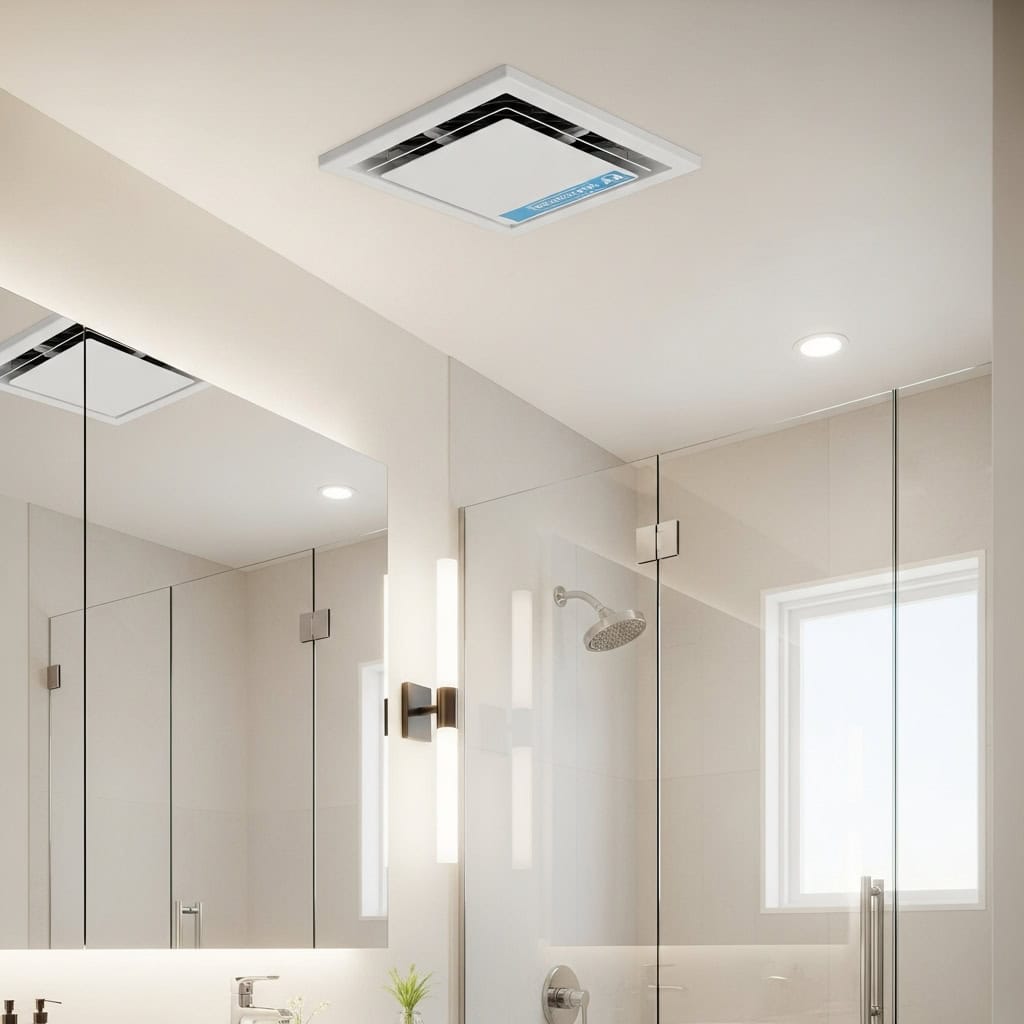
A sleek, energy-efficient bathroom exhaust fan is mounted on the ceiling, highlighting its impressive CFM rating badge. | Generated by Google Gemini

Selecting the right exhaust fan is crucial for optimal bathroom ventilation. Start by calculating your bathroom’s square footage to determine the necessary fan capacity, measured in cubic feet per minute (CFM).

Choose a fan with a CFM rating that matches or exceeds your space—generally, 1 CFM per square foot is recommended. Consider low-noise models for comfort, and look for products with the ENERGY STAR label for better energy efficiency. Proper installation and sizing ensure moisture is removed quickly and quietly. For a comprehensive selection guide, visit HVI: Bathroom Ventilation Guide.

Install or Upgrade Your Ventilation System

Step 4: Install or Upgrade Your Ventilation System
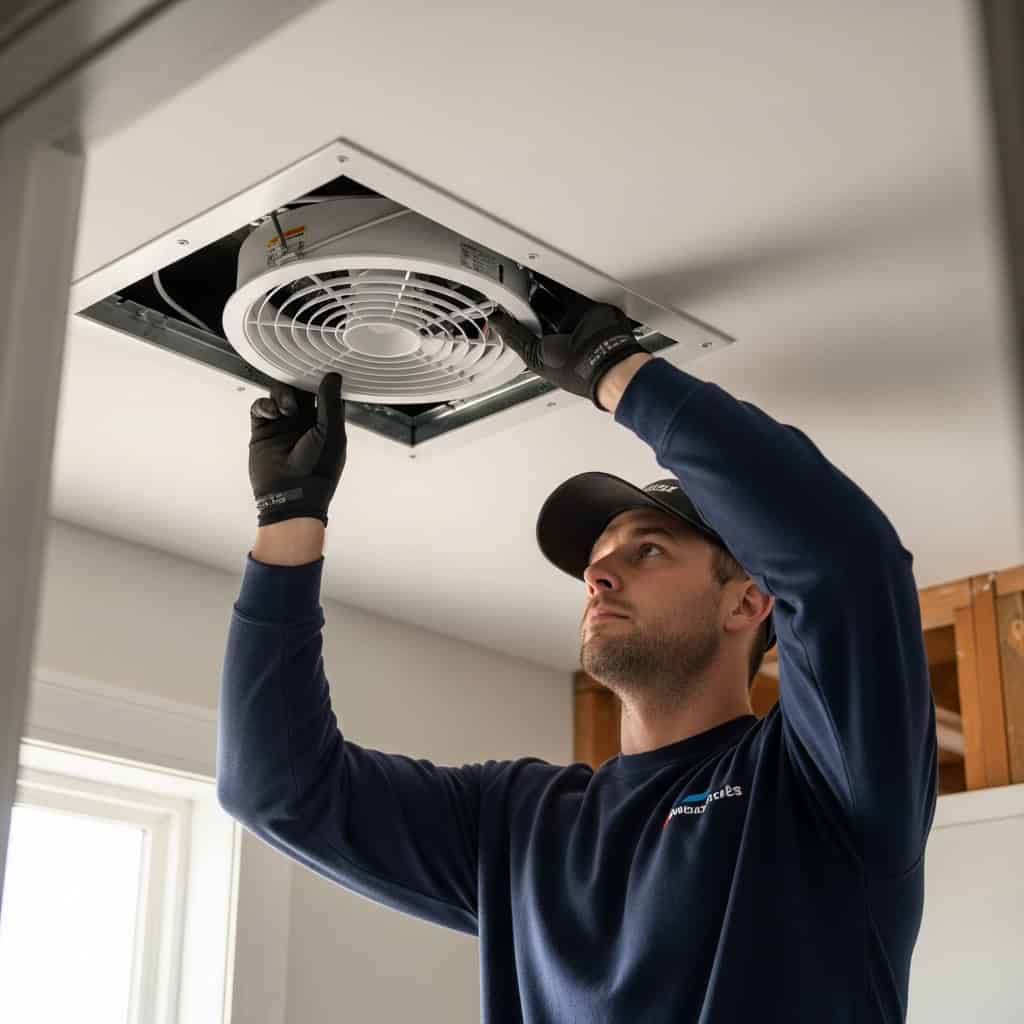
A skilled contractor installs a bathroom fan, carefully venting it through the exterior wall during a modern renovation. | Generated by Google Gemini

Whether installing a new exhaust fan or upgrading an old one, proper placement and installation are vital. Always ensure the fan vents directly outside, not into the attic or crawl space, to prevent moisture buildup and potential structural damage.

Professional installation is recommended for optimal safety and efficiency, especially when electrical work or new ducting is needed. Avoid shortcuts, as improper venting can worsen humidity problems. If you’re considering a DIY approach, carefully follow manufacturer instructions. For more detailed advice on safe installation practices, see This Old House: How to Install a Bathroom Vent Fan.

Maintain Your Bathroom Ventilation

Step 5: Maintain Your Bathroom Ventilation
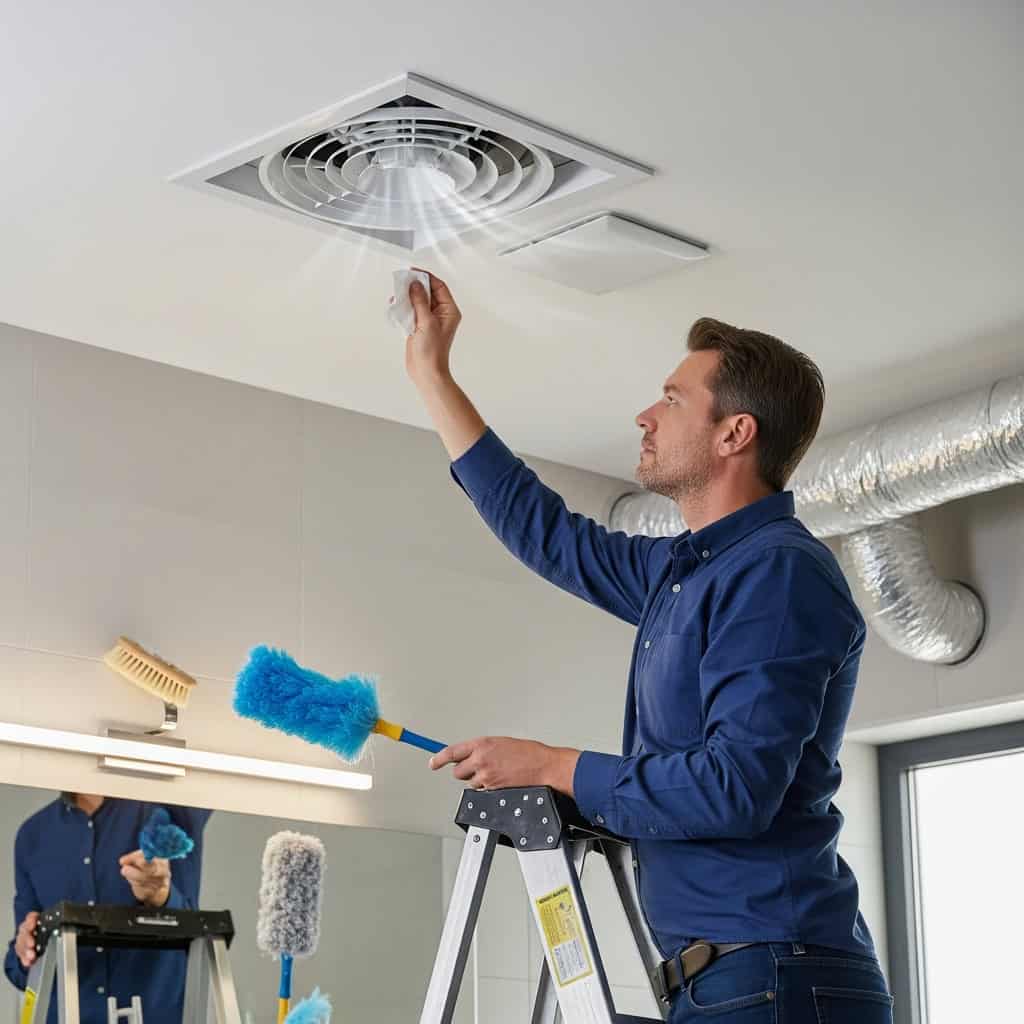
A person carefully cleans a bathroom fan grille while inspecting the vent, checking off tasks from a maintenance checklist. | Generated by Google Gemini

Ongoing maintenance is essential to keep your bathroom ventilation effective. Clean fan grilles and filters regularly to prevent dust buildup, which can reduce airflow and efficiency. Periodically inspect ductwork for blockages or damage, ensuring that air is vented outside without obstruction.

Test the fan by holding a tissue to the grille—if it doesn’t stick, the airflow may be weak. Schedule professional inspections annually to address hidden issues and extend the life of your system. For more maintenance tips, visit Family Handyman: How to Clean a Bathroom Exhaust Fan.

Conclusion

Conclusion
A cheerful homeowner admires their sparkling, well-ventilated bathroom, filled with fresh air and natural light. | Generated by Google Gemini

Proper bathroom ventilation is a crucial yet often underestimated part of maintaining a healthy home. By understanding its importance, assessing your current system, choosing the right exhaust fan, ensuring correct installation, and committing to regular maintenance, you can effectively prevent moisture damage, mold growth, and poor indoor air quality. Taking these proactive steps not only protects your property but also promotes a safer and more comfortable living environment for your family. For more expert guidance, visit HouseLogic: Bathroom Ventilation Tips.

Advertisement